What to expect when you’re expecting the end of the world
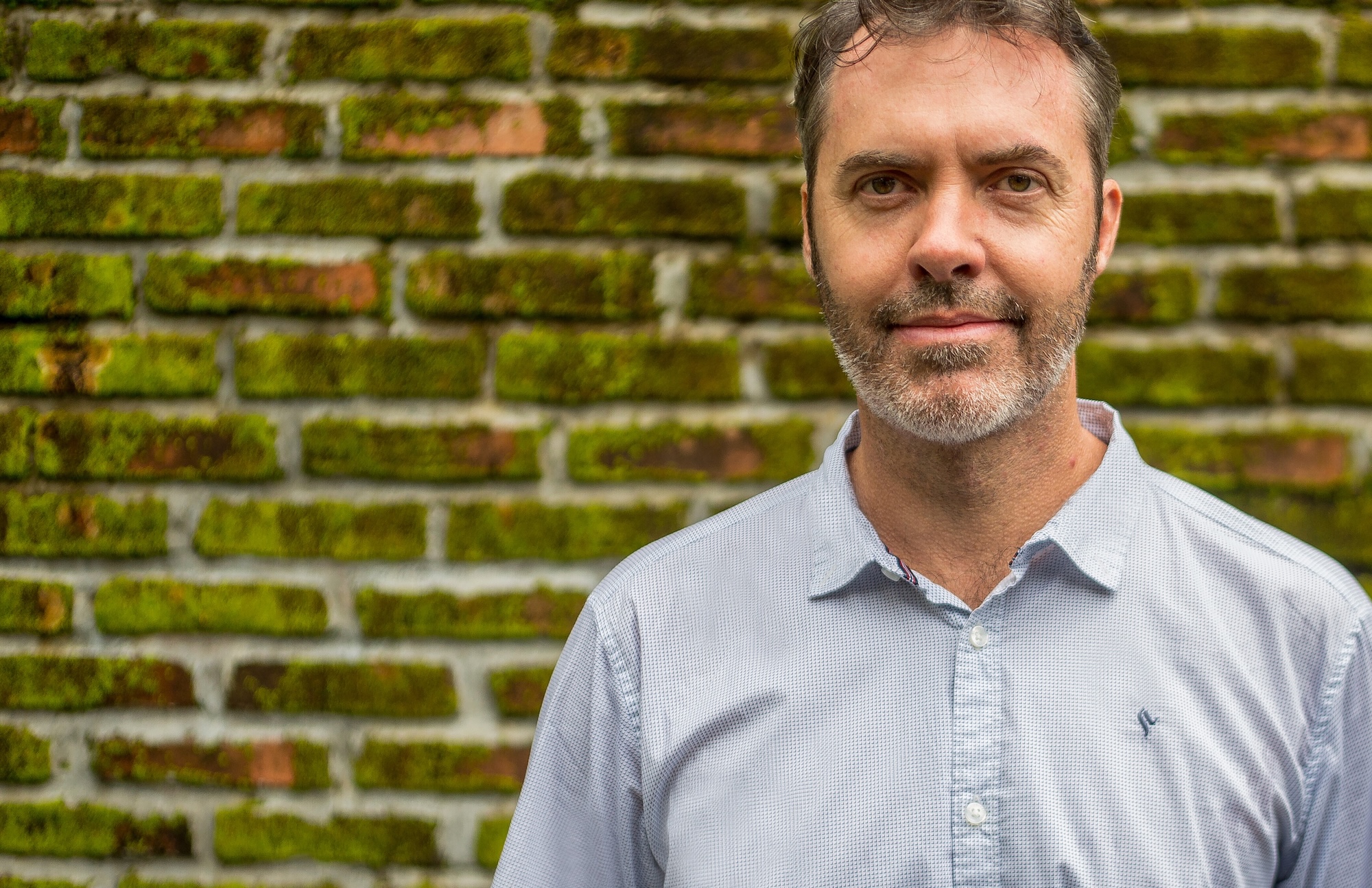
Jem Bendell had postponed his personal crisis long enough. For years, he’d been setting aside the worrying news about climate change he came across in a folder on his computer, waiting until he had the time (and emotional capacity) to look at it. In 2017, he took leave from his job as a professor of sustainability leadership at the University of Cumbria, in the United Kingdom, to finally dive in. He read that melting permafrost was releasing methane, a powerful greenhouse gas that speeds up warming — which in turn, melts more permafrost. It was a dangerous feedback loop that he had learned about as a student at Cambridge in the 1990s and had been told would likely start in 2050, if climate change went unchecked. Unfortunately, it arrived early.
Bendell read more and more about unprecedented floods, devastating …