Power asymmetries in adaptation
Nature Climate Change, Published online: 02 September 2026; doi:10.1038/s41558-026-02745-3
Power asymmetries in adaptation
Nature Climate Change…
The Earth; It's the only one we have
Nature Climate Change, Published online: 02 September 2026; doi:10.1038/s41558-026-02745-3
Power asymmetries in adaptation
Nature Climate Change…
California has a good problem. As it scrambles to deploy more solar panels and wind turbines, it is reducing its greenhouse gas emissions and improving air quality while hitting the challenge of intermittency: When the sun doesn’t shine and wind doesn’t blow, you’re not generating electricity. So the state is building battery farms to store that energy — its storage capacity skyrocketed 2,100 percent between 2019 and 2025 — so it can keep the lights on when it’s dark or calm.
But the Golden State is also sitting on a vast, untapped storage resource — or, more accurately, the capacity parked in driveways and garages. Many EV models are equipped with vehicle-to-grid, or V2G, technology that allows them to send power back into the system during times of high demand. A new report notes that if just one-tenth of …
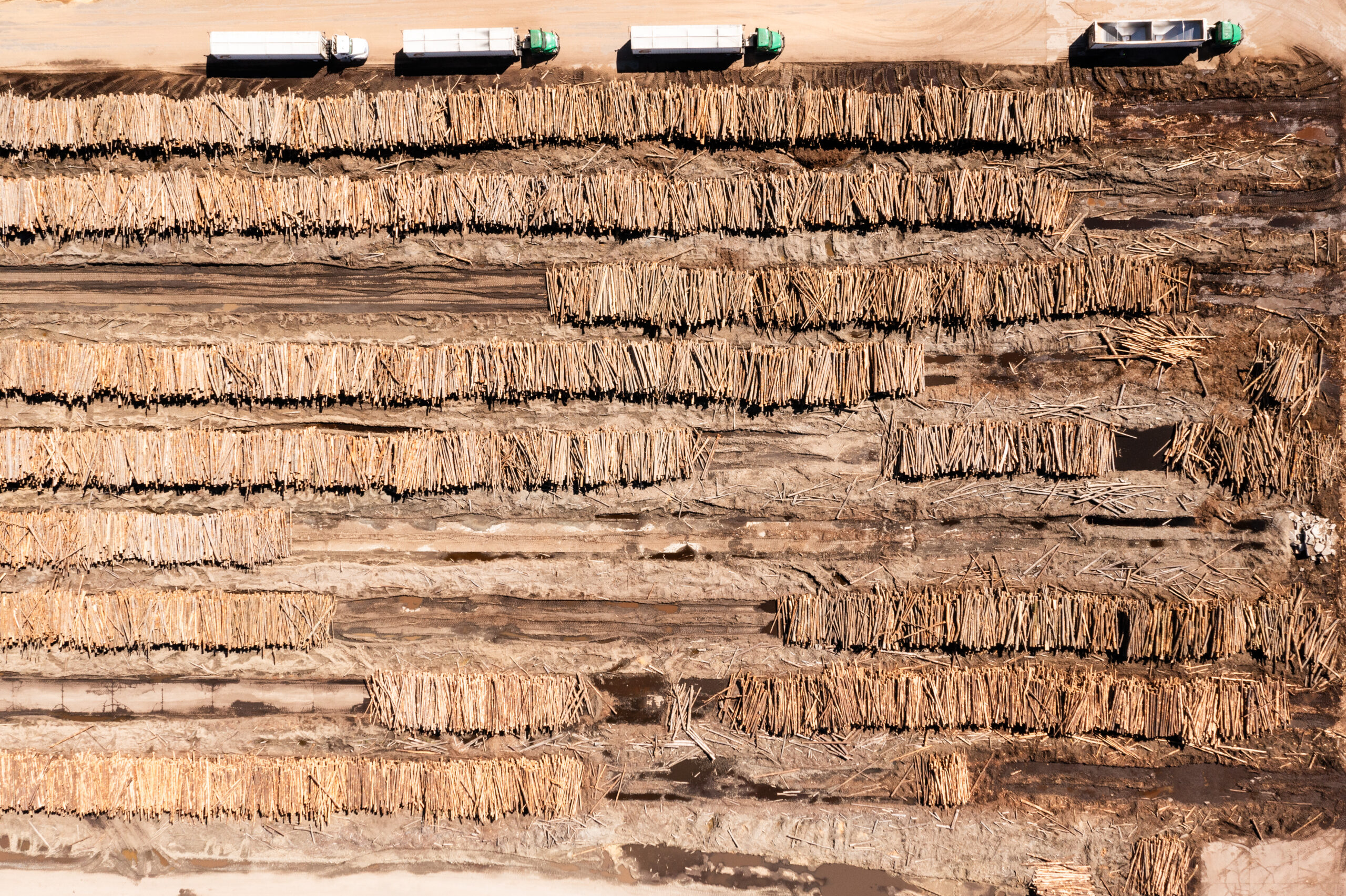
After the world’s largest producer of wood pellets built what it called a state-of-the-art biomass facility near Ruby Bell’s home in Faison, North Carolina, she started organizing. Bell told her residents about the potential impacts, and tried to prevent the company from adding to the area’s environmental burden. It has been an uphill climb.
The retired educator recalls the day that the reality of the effects set in. She had spent the afternoon talking to residents about their experiences living near the new wood pellet facility. By the time she got home, Bell says she was sniffling, her nose was running, and her eyes were burning. “I thought ‘what in the world is going on?’ Then it dawned on me: I sat outside for 20 minutes talking to a resident. There was all this dust and my pants were covered …
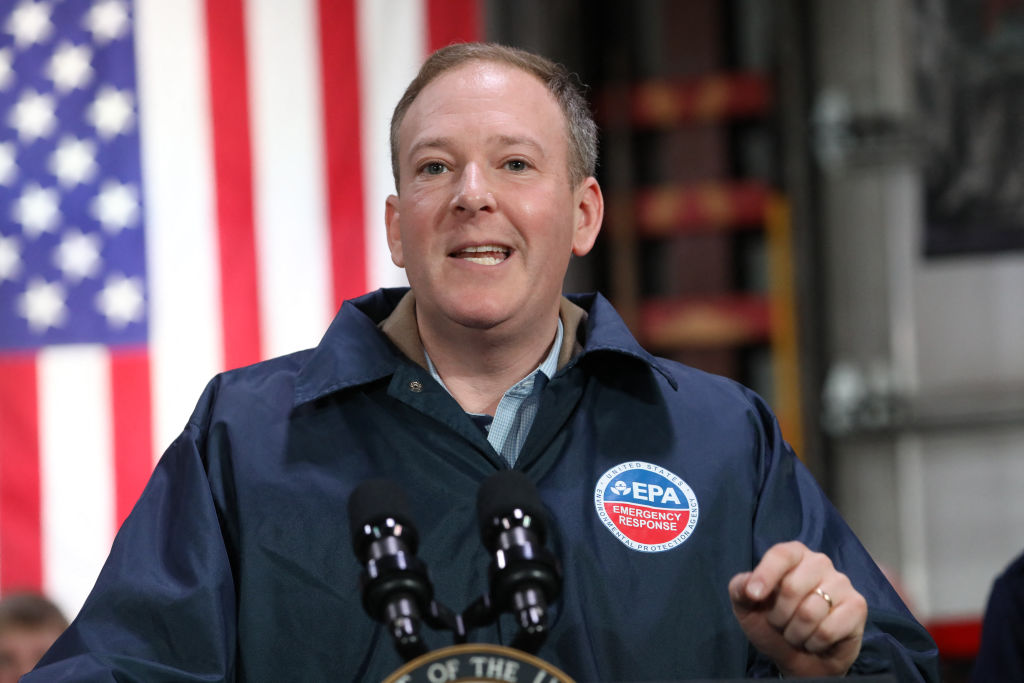
In 2009, the Environmental Protection Agency declared that the rising concentrations of greenhouse gases in the atmosphere threatened public health and welfare. This “endangerment finding,” as it’s known in legal jargon, may have sounded self-evident to those who had been following climate science for decades, but its consequences for U.S. policy were tremendous: It allowed the EPA to issue rules limiting emissions from U.S. vehicles, power plants, and other industrial sources. While those rules have not always survived court challenges and changing presidential administrations, the regulatory authority underpinning them has proven remarkably stable.
On Tuesday, President Donald Trump’s EPA took a major step toward changing that. At a truck dealership in Indianapolis, EPA Administrator Lee Zeldin announced a formal proposal to repeal the endangerment finding, which has been in the works since the beginning of Trump’s second presidency. …

For the fewer than a hundred people that make up the entire population of Port Heiden, Alaska, fishing provides both a paycheck and a full dinner plate. Every summer, residents of the Alutiiq village set out on commercial boats to catch salmon swimming upstream in the nearby rivers of Bristol Bay.
John Christensen, Port Heiden’s tribal president, is currently making preparations for the annual trek. In a week’s time, he and his 17-year-old son will charter Queen Ann, the family’s 32-foot boat, eight hours north to brave some of the planet’s highest tides, extreme weather risks, and other treacherous conditions. The two will keep at it until August, hauling in thousands of pounds of fish each day that they later sell to seafood processing companies. It’s grueling work that burns a considerable amount of costly fossil fuel energy, and there …

Abigail Lindsey worries the days of peace and quiet might be nearing an end at the rural, wooded property where she lives with her son. On the old ranch across the street, developers want to build an expansive complex of supercomputers for artificial intelligence, plus a large, private power plant to run it.
The plant would be big enough to power a major city, with 1,200 megawatts of planned generation capacity fueled by West Texas shale gas. It will only supply the new data center, and possibly other large data centers recently proposed down the road.
“It just sucks,” Lindsey said, sitting on her deck in the shade of tall oak trees outside the city of New Braunfels. “They’ve come in and will completely destroy our way of life: dark skies, quiet and peaceful.”
The project is one of many …
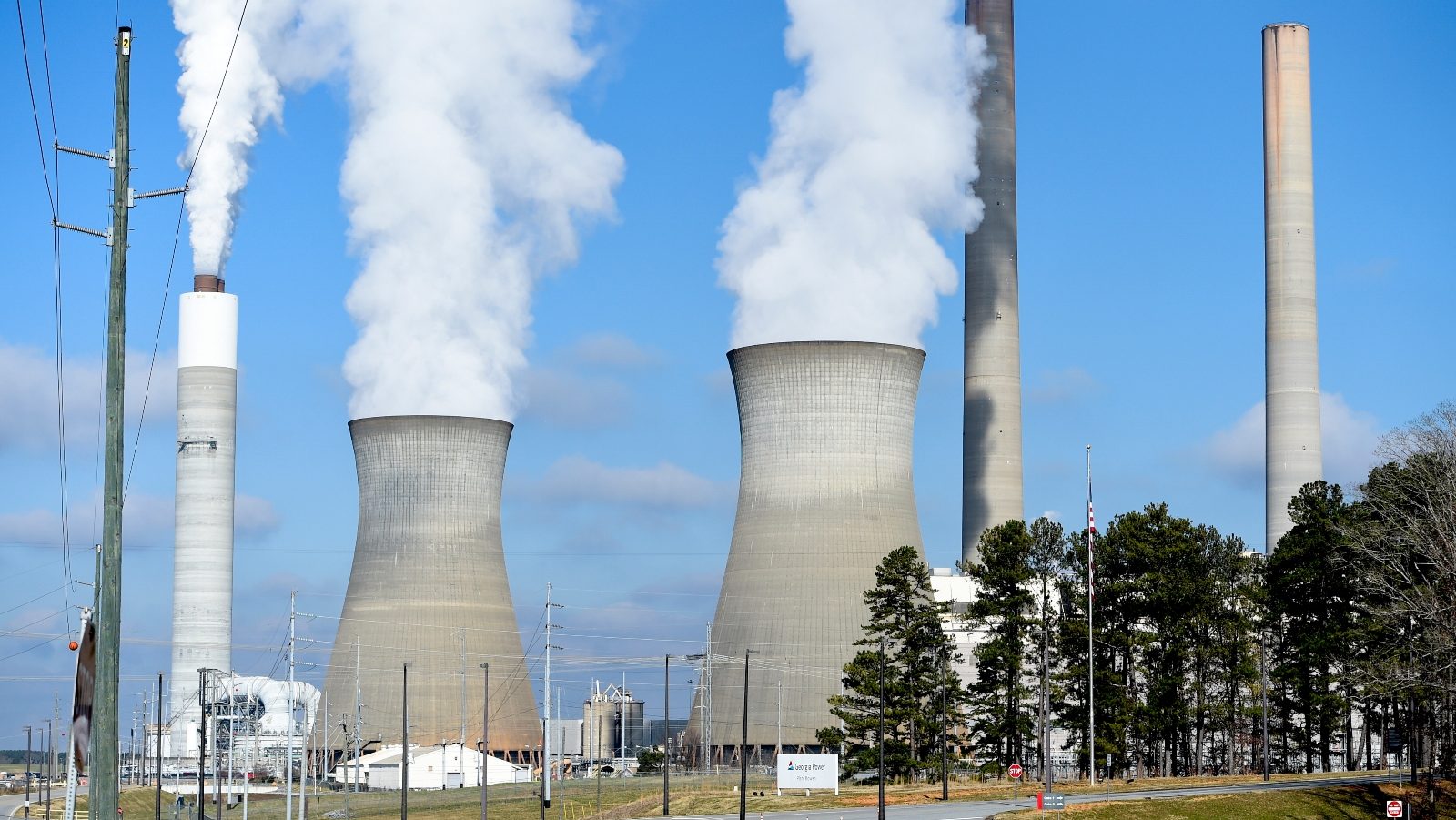
Georgia Power, which expects a boom in power demand from data centers, says it needs to get a lot more electricity online — fast.
So what kind of power plants does the utility intend to rely on to accomplish this? It’s refusing to say, raising concerns that the state’s largest utility is trying to avoid public scrutiny of plans to build huge amounts of expensive, unnecessary, and polluting fossil-fueled infrastructure.
Georgia Power filed its mandatory 20-year plan with state regulators in January. In it, the utility proposes keeping several coal-fired power plants open past their previously planned closure dates. That has already earned it an “F” grade from the Sierra Club.
But the integrated resource plan (IRP) also has few details about the mix of energy sources the utility wants to draw on to supply the new electricity generation it says it needs by 2031. Georgia …

On January 15, a group of utility companies wrote a letter to Lee Zeldin, then president-elect Donald Trump’s nominee to lead the Environmental Protection Agency. “We provide the electricity for millions of homes, businesses, and institutions across the U.S., create thousands of good-paying jobs, and drive economic progress and American prosperity,” the letter stated.
After the polite opening, they got right to their main request: “Two matters in particular call for immediate action: (1) regulations on greenhouse gas (‘GHG’) emissions from existing coal-fired and new natural-gas power plants that mandate a carbon capture technology that has not been adequately demonstrated and (2) the unprecedented expansion of the federal regulation of coal combustion residuals (‘CCR’).”
The companies contend that the federal government has overstepped its authority in its enforcement of these two areas of regulation. The letter asked Zeldin to go …