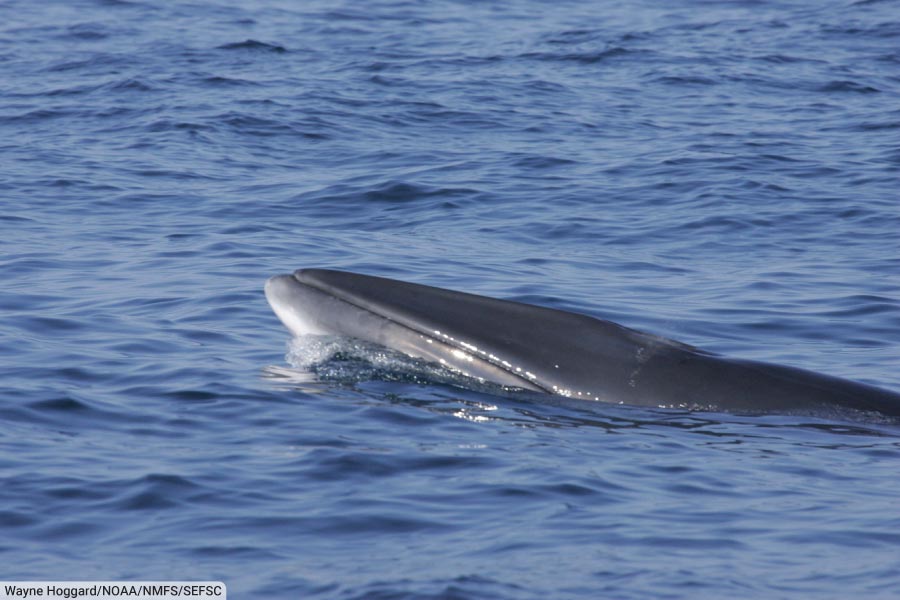
Whales are some of the most fascinating and awe-inspiring animals on Earth. As members of the cetacean group—which also includes dolphins and porpoises—they are fully adapted to life in the ocean, despite being mammals that breathe air, give birth to live young, and nurse their calves.
Page Index
Whales range in size from the relatively small minke whale to the enormous blue whale, the largest animal to have ever lived. Many species are highly migratory, traveling thousands of miles each year between feeding and breeding grounds.
There are two main types of whales: baleen whales, which filter tiny organisms like krill from the water using comb-like plates, and toothed whales, which hunt larger prey such as fish and squid. Together, they occupy nearly every ocean and sea on the planet, from the icy waters of the Arctic and Antarctic to warm tropical seas.
Understanding whales isn’t just about appreciating their size or beauty—it’s about exploring how these intelligent, social animals play a vital role in ocean ecosystems and what their survival tells us about the health of our planet.
What Is a Whale?
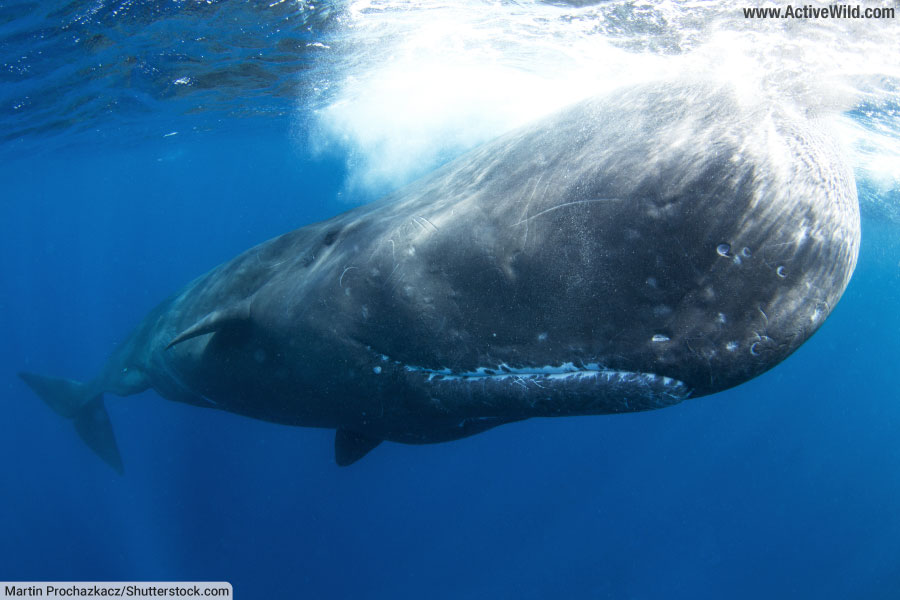
A whale is a type of marine mammal belonging to the group Cetacea. Unlike fish, whales are warm-blooded, breathe air through lungs, give birth to live young, and produce milk to feed their calves. They must surface regularly to breathe through blowholes on top of their heads.
Whales are often divided into two main groups: baleen whales and toothed whales. In a broader scientific sense, the term “whale” can include dolphins and porpoises, since all belong to the cetacean group. However, in everyday use, people usually think of whales as the larger members of this group.
- You can find out more about Cetaceans on this page: Cetacean Facts
- What’s the difference between a dolphin and a porpoise? Find out here: Dolphin vs Porpoise
What is the difference between baleen whales and toothed whales?
Baleen whales and toothed whales are the two main groups of whales, and they differ mainly in how they eat and hunt.
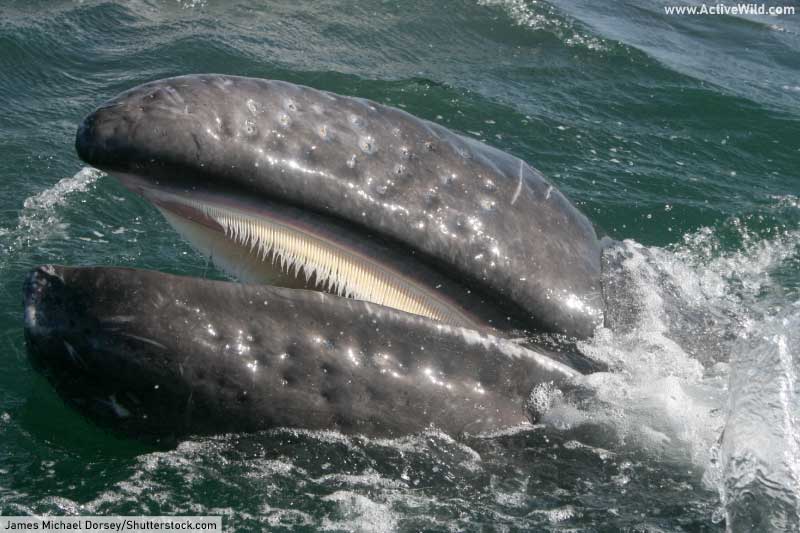
Baleen whales, such as blue and humpback whales, don’t have teeth. Instead, they have baleen plates—comb-like structures that filter tiny prey like krill and plankton from the water. They usually feed by taking in huge mouthfuls of water and straining out food.
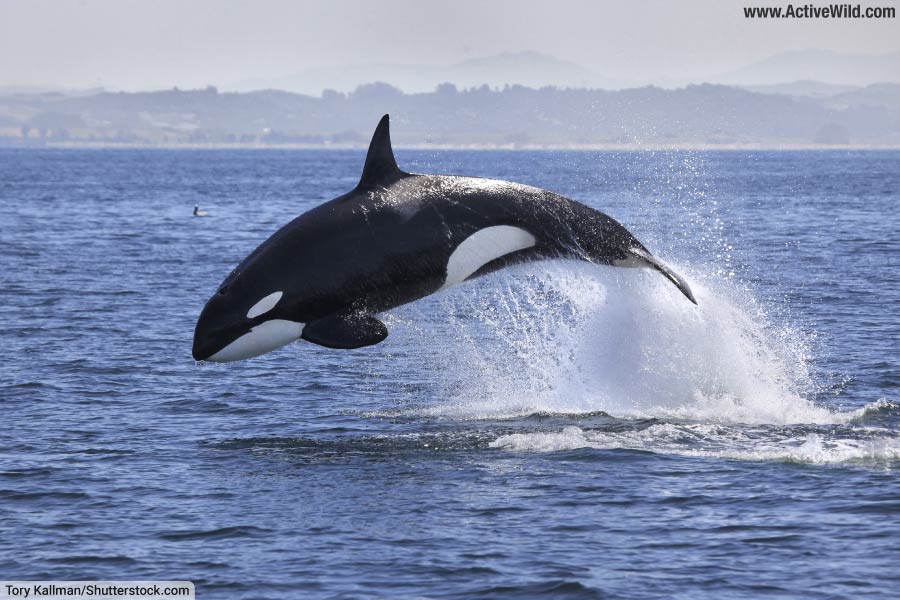
Toothed whales, like sperm whales and orcas, have sharp teeth and actively hunt larger prey such as fish and squid. They also use echolocation—a biological sonar system—to navigate and find food in the ocean.
How Many Species Of Whales Are There?
There are around 90 known species of cetaceans in total, a group that includes whales, dolphins, and porpoises. Of these, about 75 species are toothed whales (Odontocetes), which include dolphins, porpoises, and species like sperm whales and orcas.
The remaining roughly 15 species are baleen whales (Mysticetes), such as blue whales, humpback whales, and gray whales. These numbers can vary slightly as scientists continue to study and sometimes reclassify different species.
- You can see a list of EVERY whale species (with pictures) on this page: Whale Species List with Pictures and Facts
What is the largest whale species in the world?
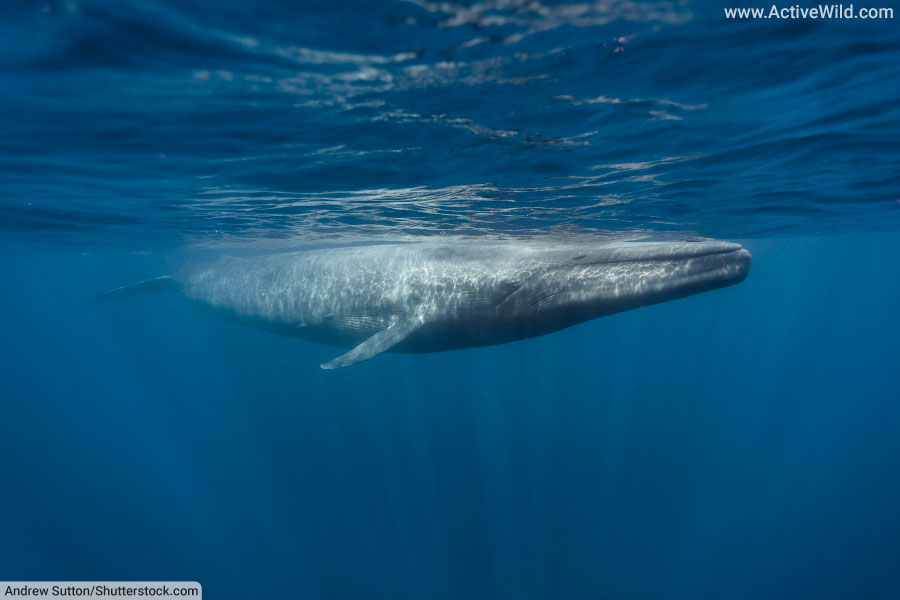
The largest whale species in the world is the blue whale (Balaenoptera musculus), which is also the largest animal to have ever lived on Earth.
Adult blue whales can reach lengths of 80–100 feet (24–30 metres) and weigh as much as 200 tons (around 180 metric tonnes). Their hearts alone can weigh about 400 pounds (180 kg)—roughly the size of a small motorbike—and their tongues can weigh as much as an elephant.
Despite their enormous size, blue whales feed mainly on tiny shrimp-like animals called krill, consuming up to 4 tons (3.6 metric tonnes) per day during feeding season. Even their babies are massive—newborn calves measure about 23 feet (7 metres) long and can gain up to 200 pounds (90 kg) a day.
To put it in perspective, a blue whale is longer than a basketball court and heavier than a Boeing 737 airplane!
You can find out more about the blue whale on this page: Blue Whale Facts
How long do whales live?
Whale lifespans vary widely depending on the species, but many live for several decades, and some can live for over a century. Smaller whales, like minke whales, typically live around 30–50 years, while larger species such as humpback whales can reach 80–90 years.
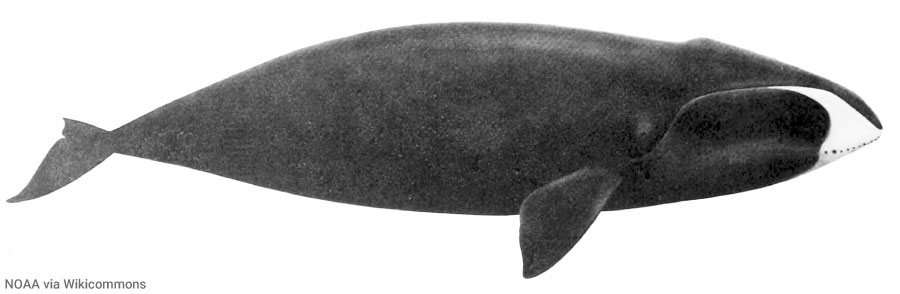
The longest-lived whale is the bowhead whale, which can live for over 200 years, making it one of the longest-living mammals on Earth. Scientists have discovered this by studying old harpoon tips embedded in some individuals and by analyzing chemical changes in their eyes.
To estimate a whale’s age, researchers often examine earwax layers or study growth patterns in their tissues. Long lifespans are linked to slow growth, large body size, and relatively few natural predators—though human impacts can still significantly affect their survival.
What do whales eat?
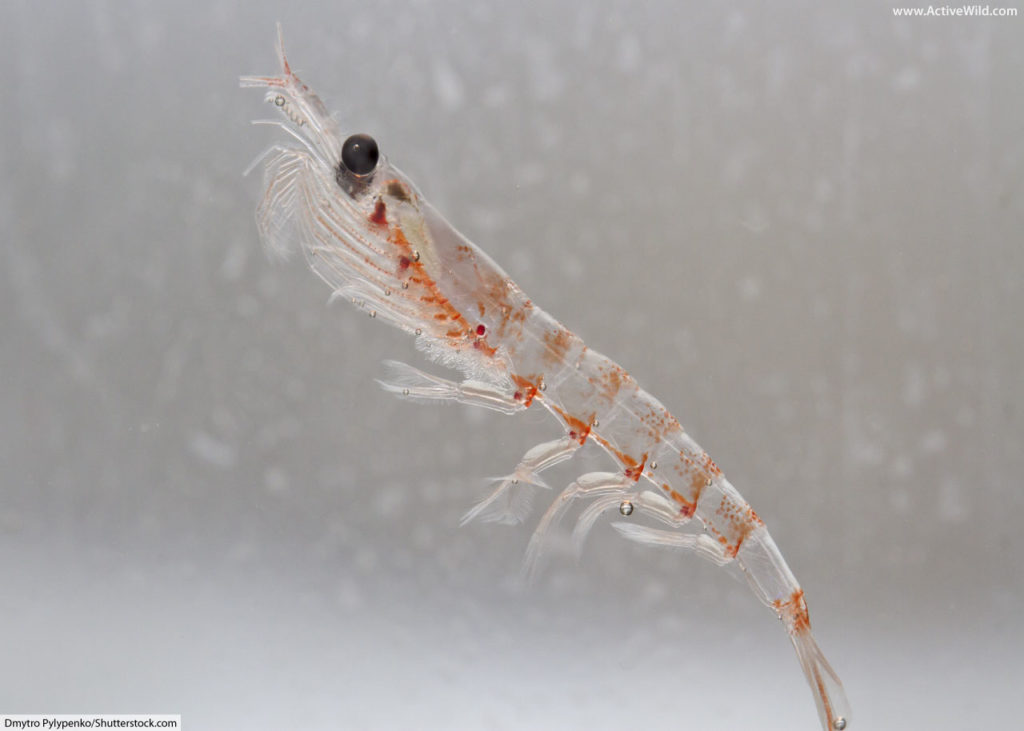
Whales eat a wide variety of food depending on their type. Baleen whales mainly feed on tiny organisms like krill, plankton, and small fish. They use their baleen plates to filter huge mouthfuls of water, trapping food inside. Some species, like humpback whales, even use clever techniques such as bubble nets to catch prey.
Toothed whales, on the other hand, hunt larger animals. Their diet includes fish, squid, and sometimes even marine mammals. For example, sperm whales dive deep to catch giant squid, while orcas (killer whales) are top predators that can hunt seals, fish, and other whales.
Some whales consume massive amounts of food daily—blue whales can eat several tons of krill each day during feeding season to build up energy for migration.
How do whales breathe underwater?
Whales don’t actually breathe underwater—they are air-breathing mammals, so they must come to the surface to breathe. They take in air through one or two blowholes located on top of their heads, which act like nostrils. This positioning allows them to breathe quickly without fully lifting their bodies out of the water.
When a whale surfaces, it exhales forcefully, creating the visible “spout” or blow, then inhales fresh air in just a second or two. After that, it dives again. Some species can hold their breath for a long time—anywhere from 15 minutes to over 2 hours in extreme cases, like sperm whales.
Whales are specially adapted for diving. They store large amounts of oxygen in their blood and muscles, and their heart rate slows down to conserve oxygen while underwater.
Why do whales breach (jump out of the water)?
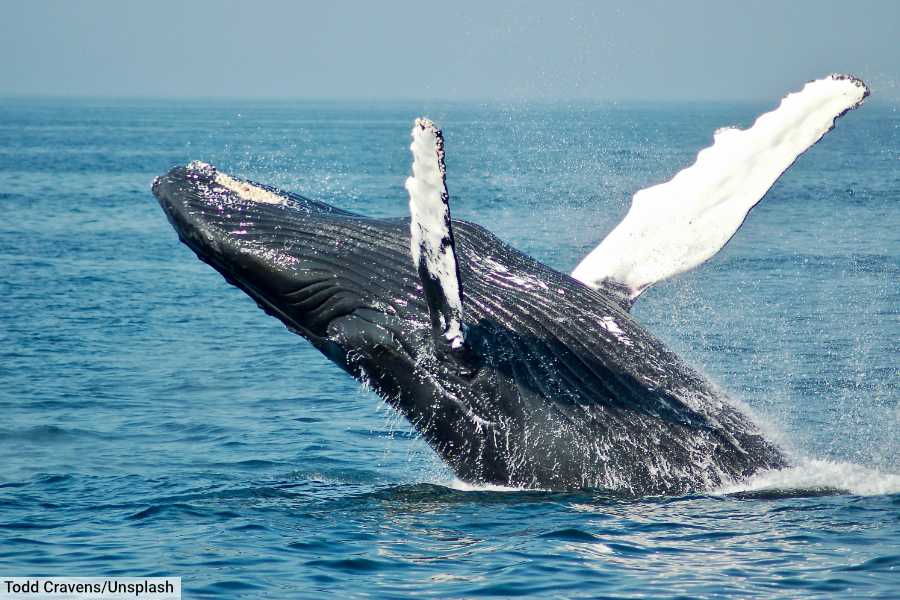
Whales breach—leaping out of the water and crashing back down—for several possible reasons, and scientists believe it serves multiple purposes rather than just one.
One key reason is communication. The loud splash created when a whale lands can travel long distances underwater, helping whales signal to others far away. Breaching may also play a role in social behaviour, such as attracting mates or interacting with other whales.
Another important reason is parasite removal. The force of hitting the water can help dislodge barnacles and other organisms attached to their skin.
Breaching might also be linked to play or practice, especially in younger whales, or even a way to scan their surroundings above the water. While we don’t know every reason for sure, it’s likely a combination of communication, health, and social interaction.
How do whales communicate with each other?
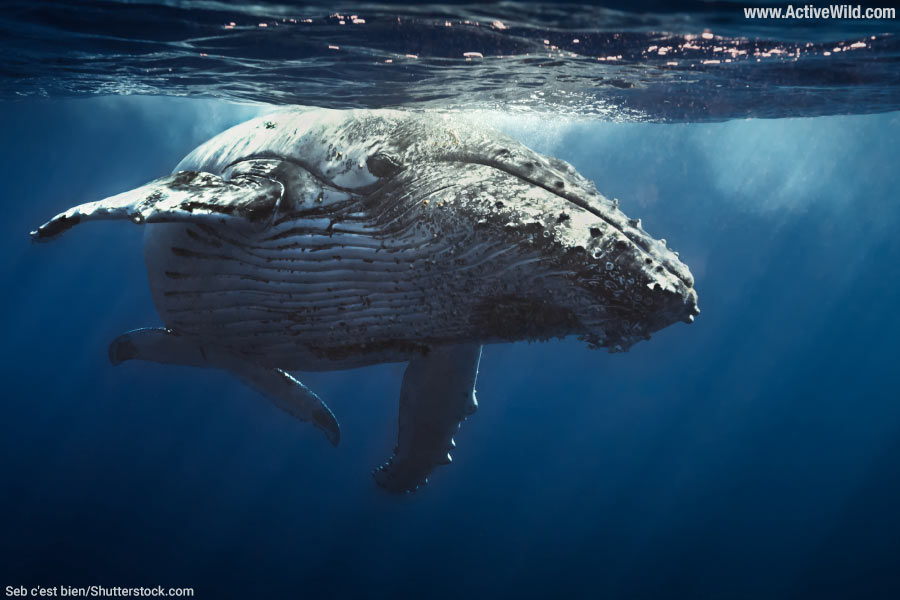
Whales communicate using a variety of sounds, body movements, and even physical contact. Many species produce clicks, whistles, and low-frequency calls that can travel vast distances through water—sometimes hundreds or even thousands of kilometres.
Toothed whales, like sperm whales and orcas, often use clicks for echolocation as well as communication, helping them navigate and find food. Baleen whales, such as humpback whales, are famous for their complex songs, which can last for hours and are thought to play a role in mating and social interaction.
Whales also communicate through body language, including breaching, tail slapping, and fin movements. In close groups, they may use gentle touches to reinforce social bonds. Altogether, whale communication is highly advanced and reflects their intelligence and strong social connections.
How do whales sleep without drowning?
Whales sleep in a very unusual way that allows them to breathe without drowning. Unlike humans, they can’t fall into a deep, fully unconscious sleep because they must stay aware enough to surface for air.
Instead, whales use a process called unihemispheric sleep, where one half of the brain rests while the other half stays awake. This allows them to continue swimming slowly and control their breathing at the same time.
During this state, a whale may float near the surface, rest vertically in the water, or move very slowly. They regularly come up to breathe, even while “asleep.” Toothed whales, like dolphins, often keep one eye open while resting, linked to the active half of their brain.
This clever adaptation lets whales rest safely while still maintaining control over their breathing and awareness of their surroundings.
Where do whales live and migrate?
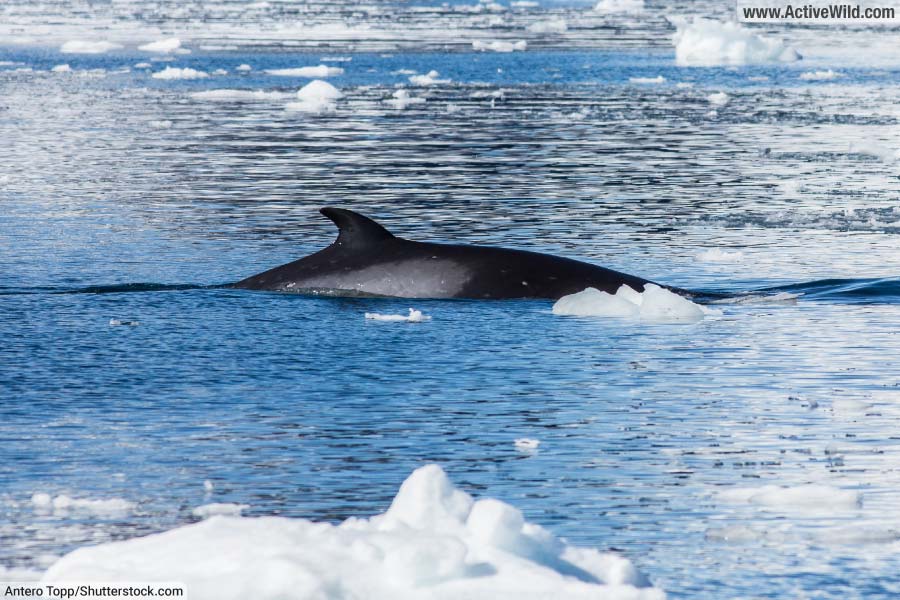
Whales live in all of the world’s oceans, from the freezing Arctic and Antarctic to warm tropical seas. Different species prefer different habitats—some stay in deep offshore waters, while others spend time along coastlines. For example, gray whales often travel close to shore, while sperm whales prefer the deep ocean.
Many whales are highly migratory, traveling thousands of miles each year. Typically, they feed in cold, nutrient-rich waters during the summer, where food like krill and fish is abundant. In winter, they migrate to warmer tropical or subtropical waters to breed and give birth.
One of the longest migrations is made by humpback whales, which can travel up to 5,000 miles (8,000 km) between feeding and breeding grounds. These journeys are among the longest of any mammal and are essential for their survival and reproduction.
- You can see a list of Antarctic whales on this page: Antarctic Whales List with Pictures
How do whales give birth and care for their young?
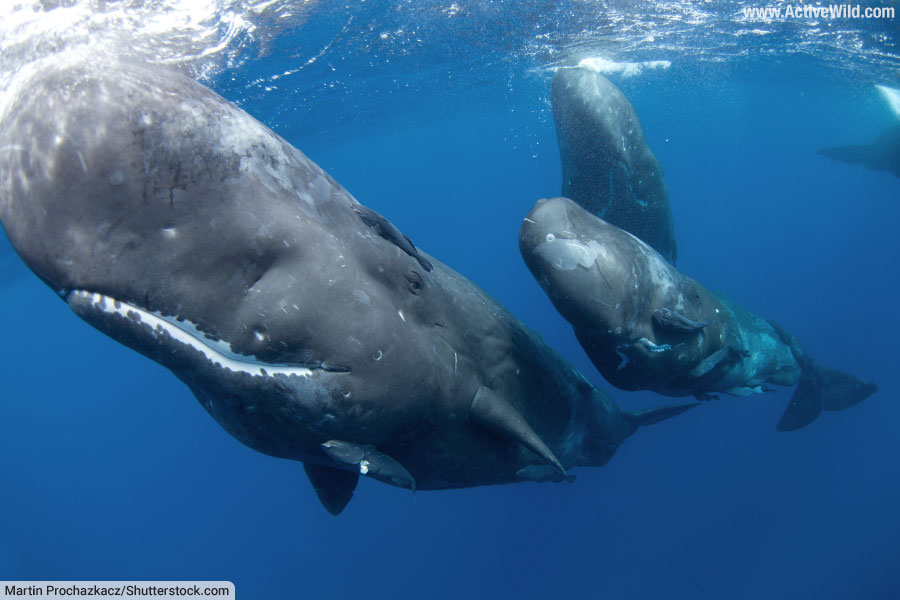
Whales give birth to live young, just like other mammals, usually after a long gestation period that can last 10–17 months, depending on the species. Most whales have a single calf at a time, and births typically take place in warm, shallow waters, which are safer for newborns.
The calf is usually born tail-first, which helps prevent it from drowning during delivery. Within minutes, the mother helps guide it to the surface for its first breath. Newborn whales are already large and well-developed—for example, a blue whale calf can be around 23 feet (7 metres) long at birth.
Mother whales provide rich, fatty milk that helps calves grow quickly. They are extremely protective, staying close and guiding their young as they learn to swim, breathe, and eventually feed. In some species, other whales may also help protect and support the calf.
Why are some whale species endangered?
Some whale species are endangered mainly because of human activities, both past and present. Historically, commercial whaling drastically reduced populations of many species, such as blue and humpback whales. Although large-scale whaling has mostly stopped, many populations are still recovering slowly.
Today, whales face several ongoing threats. Climate change is altering ocean temperatures and food availability, especially for species that rely on krill. Ocean pollution, including plastic and chemical contaminants, can harm whales directly or build up in their bodies over time. Ship strikes are another major danger, particularly in busy shipping routes, while entanglement in fishing gear can cause injury or death.
Noise pollution from ships and industrial activity also interferes with whale communication and navigation. Together, these threats make survival more difficult, especially for already vulnerable species.
Can whales see and hear well?
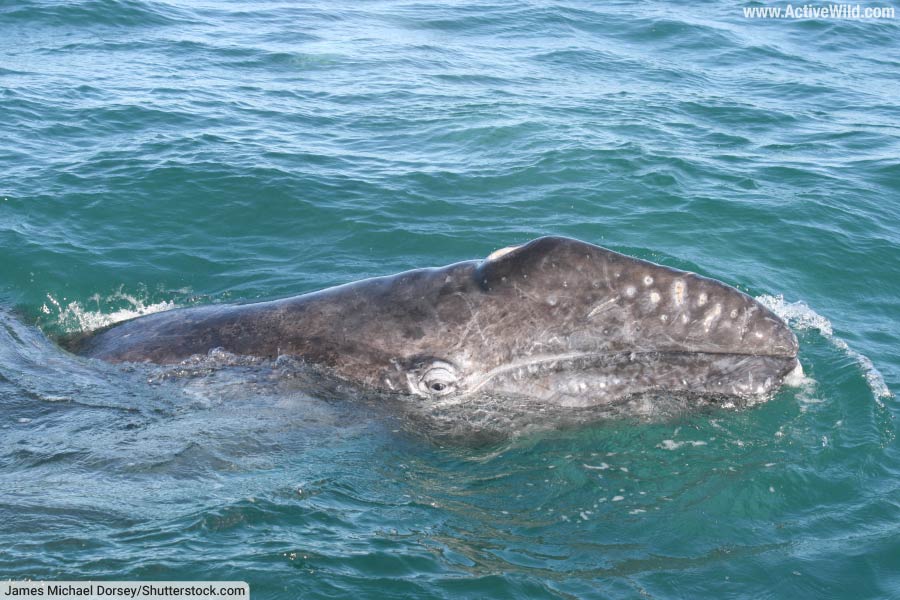
Whales have well-developed senses, but how they use them depends on the species and their environment.
Hearing is their most important sense. Sound travels extremely well underwater, and whales rely on it for communication, navigation, and finding food. Toothed whales have especially advanced hearing and use echolocation—sending out clicks and listening for echoes—to detect objects and prey, even in complete darkness.
Vision is also good, though generally less important than hearing. Whales can see both underwater and above the surface, but their eyesight is usually adapted to low-light ocean conditions rather than sharp detail. Some species have better vision than others, depending on how they live and hunt.
Overall, whales may not rely on sight as much as humans do, but their hearing abilities are among the most impressive in the animal kingdom.
How do whales stay warm in cold ocean water?
Whales stay warm in cold ocean water thanks to a thick layer of fat called blubber. This layer sits just beneath their skin and acts as powerful insulation, helping retain body heat even in near-freezing conditions. In some species, blubber can be up to 12 inches (30 cm) thick.
Blubber also serves as an energy reserve, which is especially important during long migrations when whales may eat very little. In addition, whales have a relatively low surface-area-to-volume ratio (they’re big and rounded), which reduces heat loss.
They also use a clever system called countercurrent heat exchange. Blood vessels are arranged so that warm blood flowing from the body warms cooler blood returning from the extremities, helping conserve heat.
Together, these adaptations allow whales to thrive in some of the coldest oceans on Earth.
Do all whale species sing?
No, not all whale species sing. Whale “songs” are most famously produced by baleen whales, especially humpback whales, which create long, complex sequences of sounds that can last for hours. These songs are thought to play a role in mating and communication.
In contrast, toothed whales—such as sperm whales, orcas, and dolphins—do not “sing” in the same way. Instead, they use clicks, whistles, and pulsed calls for communication and echolocation. These sounds can be highly sophisticated but are generally shorter and less patterned than baleen whale songs.
So while all whales make sounds, only certain species produce what we would describe as true “songs.”
Whales – Conclusion
Whales are truly remarkable animals—intelligent, social, and perfectly adapted to life in the ocean. From their enormous size and long migrations to their complex communication and unique behaviours, they offer us a fascinating glimpse into the diversity of life on our planet. Learning about whales not only helps us appreciate these incredible creatures, but also highlights the importance of protecting the oceans they call home.
If you’re curious to learn more or have any other questions about whales, feel free to ask in the comments section below—we’d love to hear from you!
- Love whales? You can browse a selection of curated whale gifts on this page: Whale Gift Ideas
The post Whales Explained: Types, Sizes, Diet & Amazing Facts appeared first on Active Wild.